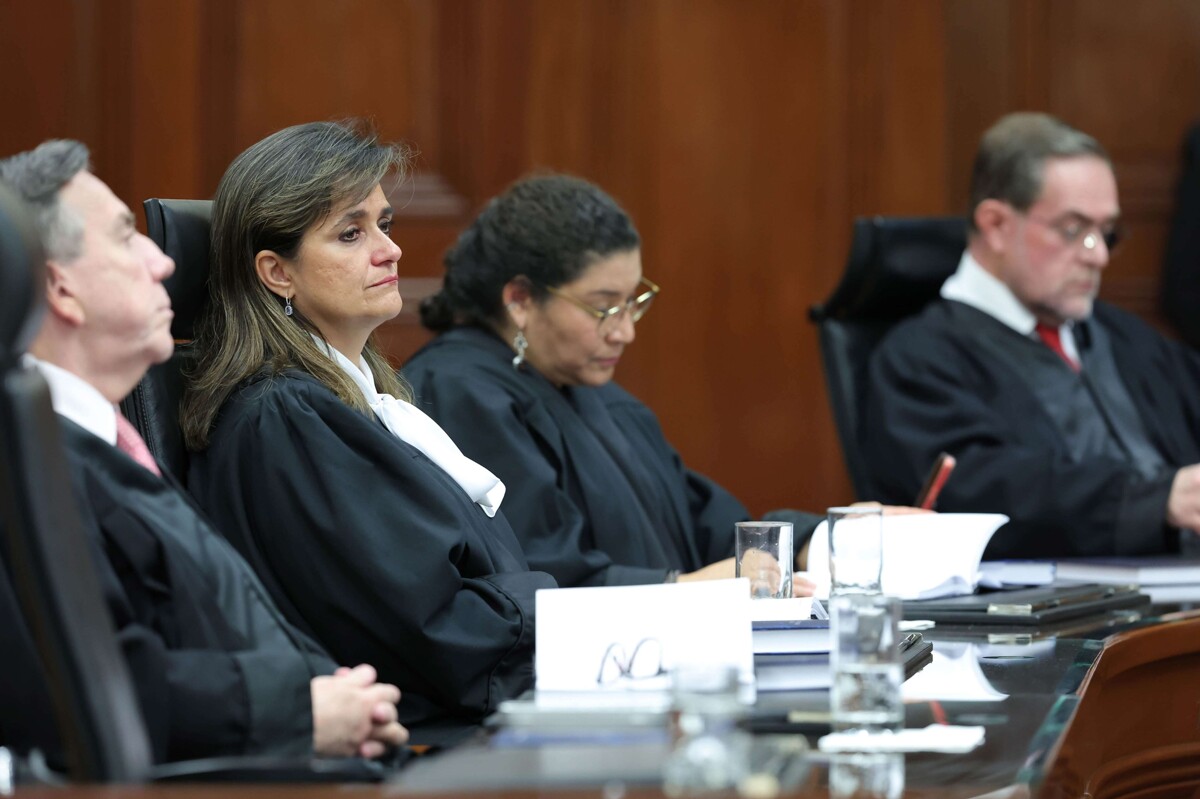
In our country, an unusual electoral process is underway to elect judges, magistrates, and even ministers of the Supreme Court at the federal level, as well as judges and magistrates at the state level by popular vote. This process reflects the current situation of state institutions, which seek to defend constitutional order but end up showing their fragility. The "judicial elections" have been postponed and have generated legal challenges, including through amparo trials, which is considered an inappropriate method.
The Electoral Tribunal of the Judicial Power of the Federation (TEPJF) has determined that it is unfeasible to halt the electoral process led by the INE, which has generated various criticisms and controversies. This type of judicial electoral process has no precedent in the world and has led to a serious institutional rupture amid attempts at constitutional reform to refound the Judicial Power.
The judges and magistrates involved have asked the Supreme Court to resolve the controversy with the TEPJF. The debate on this topic has been intense and controversial, and the validity and viability of this peculiar electoral process have been questioned. Some judges have granted suspensions against the judicial reform and the electoral process itself, creating an atmosphere of uncertainty and institutional conflict.
The judicial electoral process continues its course, scheduled to conclude on June 1. The discussion around this topic has been deep, and criticisms have been raised regarding the appropriateness and effects of this election modality. The situation in the country has raised concerns and generated discomfort in public opinion.
In summary, the electoral process to elect judges and magistrates through popular means has unleashed a series of controversies, challenges, and criticisms regarding its viability and consequences. The situation has highlighted institutional fragility and generated an atmosphere of uncertainty in the judicial field of the country.