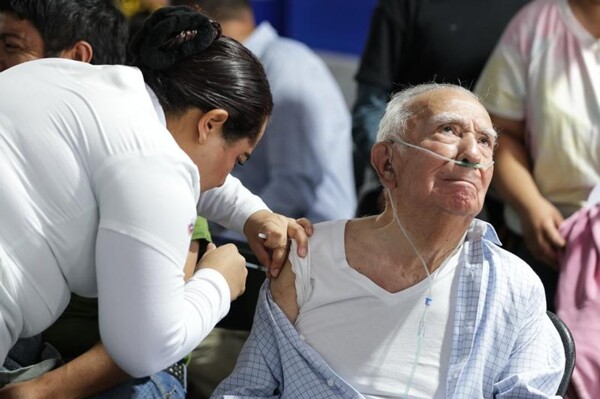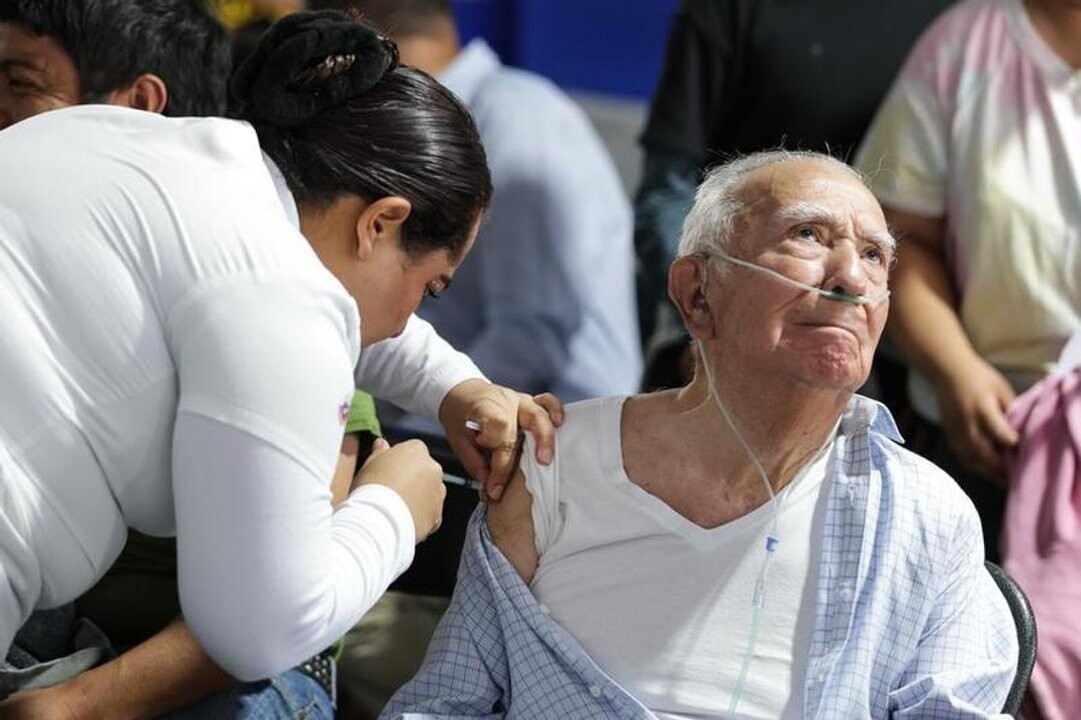
The Bolivian government confirmed on Wednesday the detection of the first two cases of influenza A H3N2, variant K, in the country. This immediately activated isolation protocols, epidemiological surveillance, and active contact tracing in a regional context marked by an increase in virus circulation. According to Argentina News Agency, the Deputy Minister of Health, Roxana Salamanca, informed the press that the patients, a 52-year-old man and a 6-year-old girl, are stable and receiving outpatient care. The confirmation of these cases comes within the framework of a national epidemiological alert declared preventatively by the Bolivian government last week, aiming to anticipate a potential increase in infections and avoid overloading the healthcare system. Minister of Health and Sports, Tatiana Flores, stated that the measure is part of a 'proactive risk management' strategy, aimed at strengthening early detection and immediate response capacity. According to the minister, variant K is not more lethal than other forms of influenza, although it has a higher transmission capacity, which requires strengthening prevention measures. In this context, authorities recommend that the population go to health centers immediately upon the appearance of influenza-like symptoms, wear masks, and avoid self-medication, especially in children, the elderly, and people with underlying diseases, considered high-risk groups. The availability of influenza vaccines in health establishments is also confirmed. Although they are not specific to variant K, the doses offer a degree of protection and reduce the risk of complications. Until epidemiological week 50, Bolivia had registered 27 confirmed cases of influenza A H3N2 so far this year, with no prior evidence of variant K circulation. With the alert in effect, second and third-level hospitals have been instructed to maintain a response capacity for possible complications, while logistics are expedited to ensure critical supplies and medications.