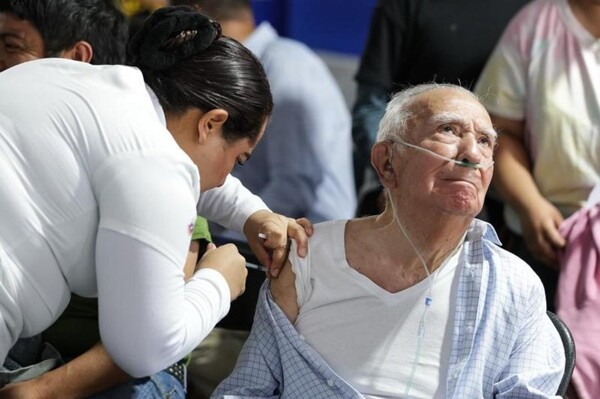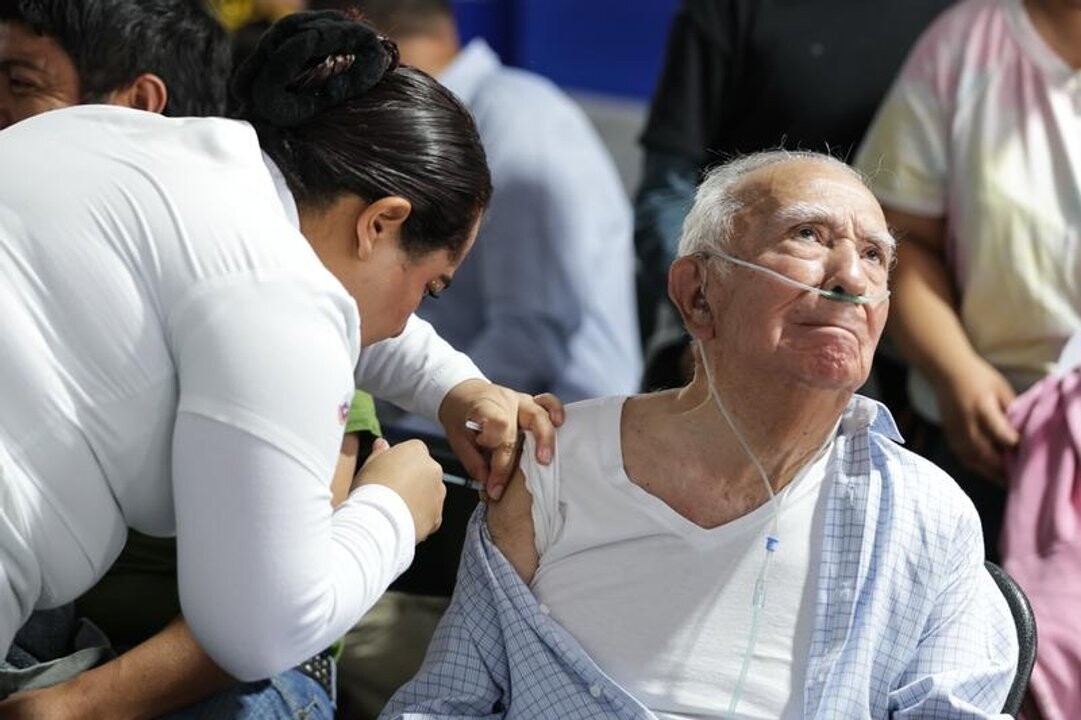
The Bolivian government confirmed the detection of the first two cases of influenza A H3N2, variant K, in the country and immediately activated a national epidemiological alert, against a regional backdrop marked by an increase in the virus's circulation in the Americas and other parts of the world. The Deputy Minister of Health, Roxana Salamanca, reported that the patients are a 52-year-old man and a six-year-old girl, who are in stable condition and under outpatient medical monitoring. According to the official, both cases were identified in a timely manner thanks to the strengthening of epidemiological surveillance systems and the implementation of early detection protocols in recent weeks. The confirmation of infections comes after the Bolivian government declared a preventive epidemiological alert, aiming to anticipate a potential increase in cases and avoid overloading the health system. The recommendations are aimed especially at risk groups, including children, the elderly, and people with underlying health conditions. Likewise, the government confirmed the availability of influenza vaccines in the country's health centers. While the doses are not specific for variant K, authorities highlighted that vaccination reduces the risk of severe complications and helps to decrease pressure on the health system. As of epidemiological week 50, Bolivia had registered 27 confirmed cases of influenza A H3N2 so far this year, with no prior evidence of variant K's circulation. With the alert in effect, second and third-level hospitals have been instructed to maintain operational capacity, strengthen care for respiratory cases, and ensure the availability of supplies and critical medications. The health situation in Bolivia adds to the cases already confirmed in other countries in the region, such as Chile, Peru, Ecuador, and Panama, where alerts have also been activated and vaccination campaigns have been strengthened in response to the advance of the variant. In this context, the Minister of Health and Sports, Tatiana Flores, explained that the measure is part of a 'proactive risk management' strategy, aimed at strengthening the health system's response capacity throughout the country. Health authorities indicated that variant K of influenza A H3N2 is not more lethal than other known variants, although it has a higher transmission capacity, which requires intensifying preventive measures, especially during the summer season when travel and social gatherings increase. In this sense, the Ministry of Health recommended that the population go to health centers immediately upon the appearance of respiratory symptoms, avoid self-medication, use a mask in case of flu-compatible symptoms, and reinforce hygiene measures, such as frequent handwashing. "Buenos Aires, December 25 (NA)— The Bolivian government confirmed the detection of the first two cases of influenza A H3N2, variant K, in the country and immediately activated a national epidemiological alert, in a regional context marked by the increase in the circulation of the virus in the Americas and other regions of the world."