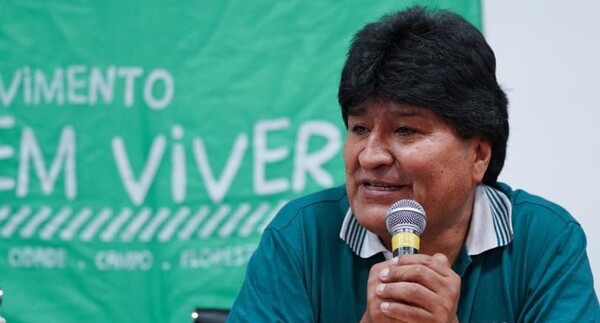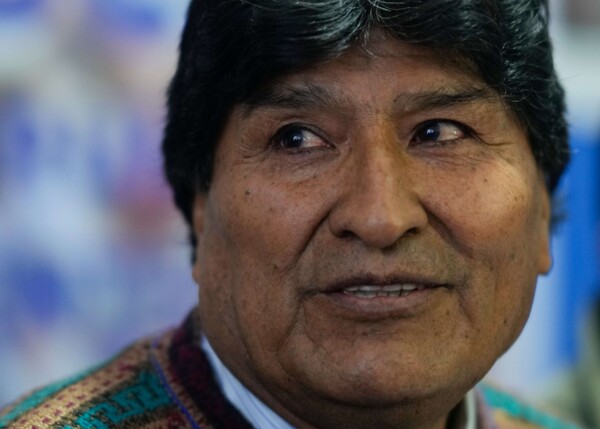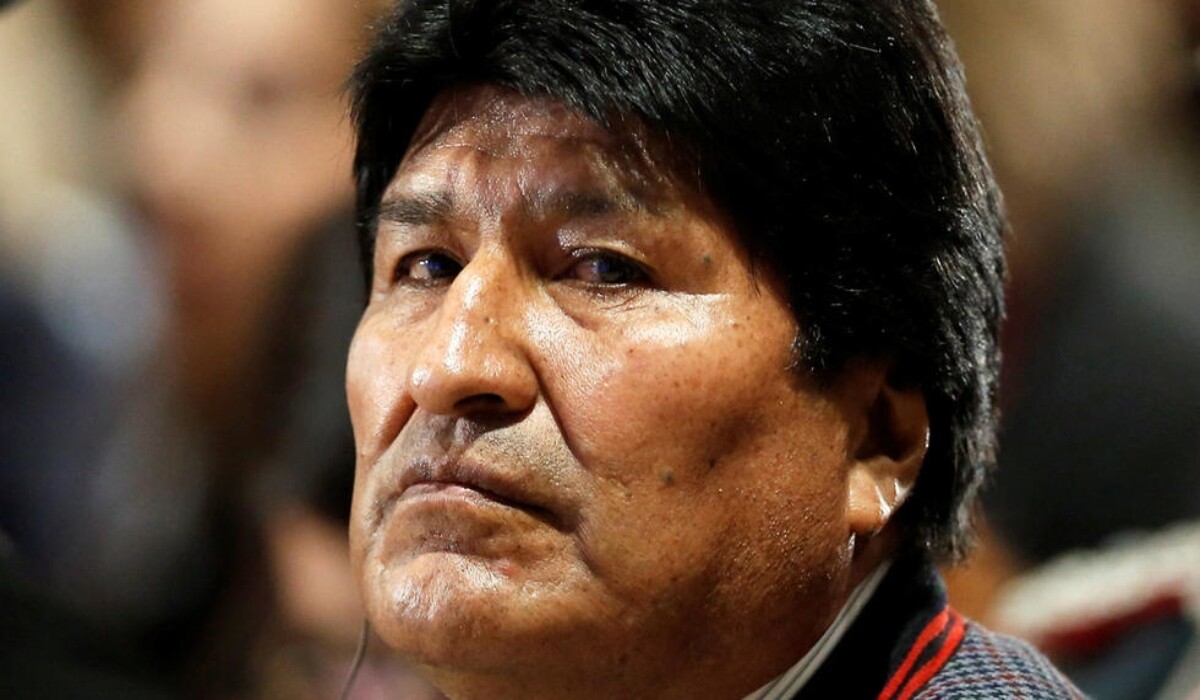
The former president of Bolivia, Carlos Mesa, has expressed his concern about the escalation of tensions between Evo Morales, the country's former leader, and the current president, Luis Arce. Morales accused Arce of threatening his supporters and held him responsible for any acts of violence that occur in Bolivia.
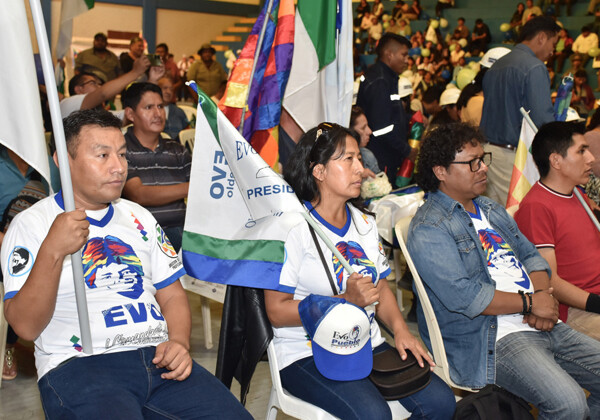
Since 2021, there has been a distancing between Arce and Morales due to differences in state administration, which have been accentuated by the need to renew the leadership of the Movement for Socialism (MAS) and define the official candidacy for the 2025 elections.
Morales has made statements about possible "uprisings" of indigenous people and military personnel if he is arrested, which has raised concern in various political sectors in Bolivia. In response, Mesa has criticized Morales for inciting violence against civilians, police, and journalists through blockades and for suggesting possible military uprisings.
Jeanine Áñez, former interim president of Bolivia, has labeled Morales as a "criminal and mobster" for using armed peasants as "human shields" in the blockades. Mesa has pointed out that Morales's actions pose a danger to the country by seeking to pit Bolivians against each other and harm the economy.
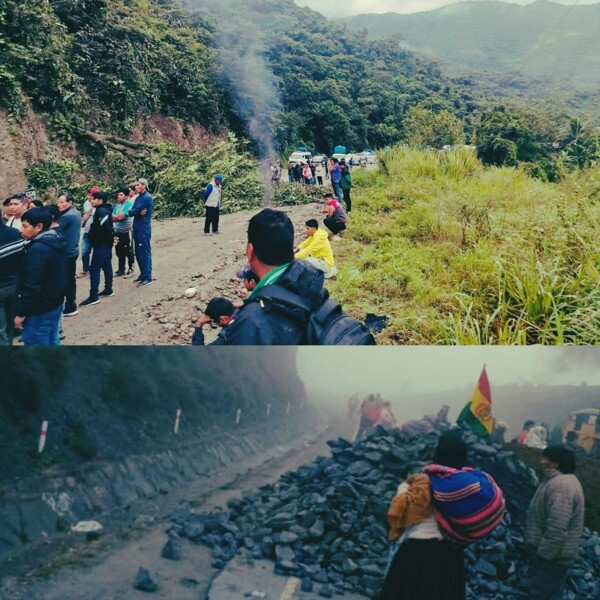
Additionally, Arce has reported clashes during attempts to unblock roads that have left multiple injuries, mostly among police. Morales's supporters, demanding the withdrawal of legal proceedings against him and supporting his potential presidential candidacy in 2025, have maintained blockades in various regions of the country for 18 days, causing significant economic losses.
In light of this situation, Arce has given an ultimatum to Morales's supporters to lift the blockades, warning that he could exercise his "constitutional powers" to free the roads if the obstructions persist. The economic losses from these measures have reached 1.7 billion dollars, severely affecting the Bolivian economy.