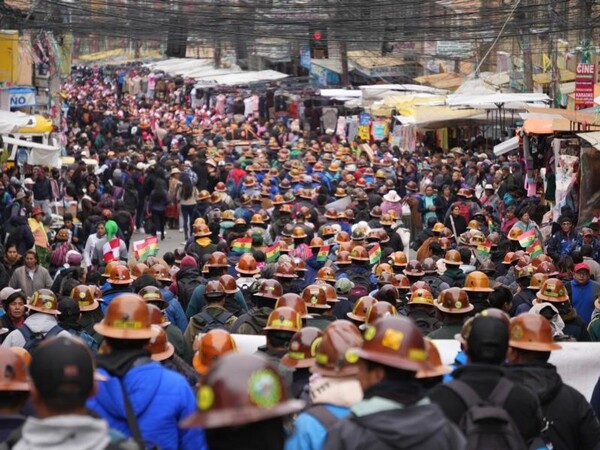
According to the United Nations Office on Drugs and Crime (UNODC), coca leaf cultivation in Bolivia increased by 10% in 2024, reaching approximately 34,000 hectares compared to 31,000 hectares the previous year. The annual study, conducted using satellite imagery and on-the-ground verification, was presented in La Paz by the UNODC Representative in Bolivia, Mónica Mendoza, alongside Bolivian government authorities. The report confirmed that the largest increase occurred in the Tropico de Cochabamba region, where cultivated area grew by 18% to reach 14,275 hectares. Meanwhile, in the traditional Yungas de La Paz production area, a 4% increase was registered, with 19,230 hectares. In contrast, northern La Paz showed a 2% decrease, falling from 486 to 478 hectares. Nationally, UNODC warned of a surplus of about 12,000 hectares over the legally authorized surface area of 22,000 hectares designated for licit uses. This constitutes one of the main challenges for policies controlling coca cultivation in the country. The report also detected the presence of crops in at least six protected areas: Isiboro Secure, Carrasco, Cotapata, Amboró, Apolobamba, and Madidi. In general, a reduction in cultivated area was observed in these zones, although UNODC recommended strengthening controls in national parks and nature reserves. Among the recommendations, the agency proposed updating the average yield factors for the crop, developing studies on production, marketing, and consumption of coca leaf, and improving traceability to differentiate licit and illicit markets, with the goal of designing comprehensive public policies based on evidence.