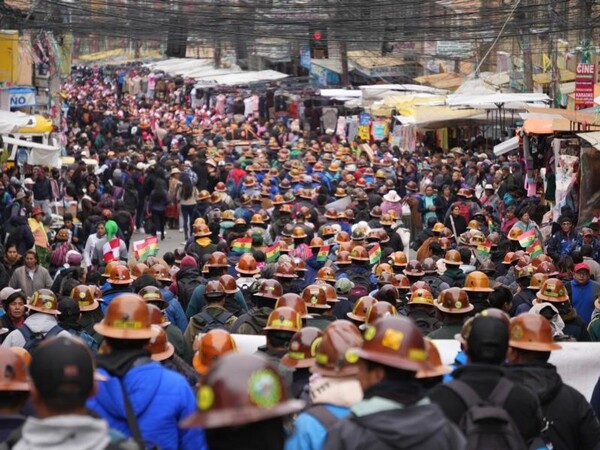
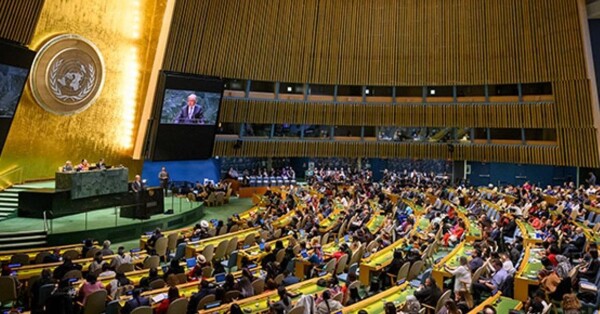
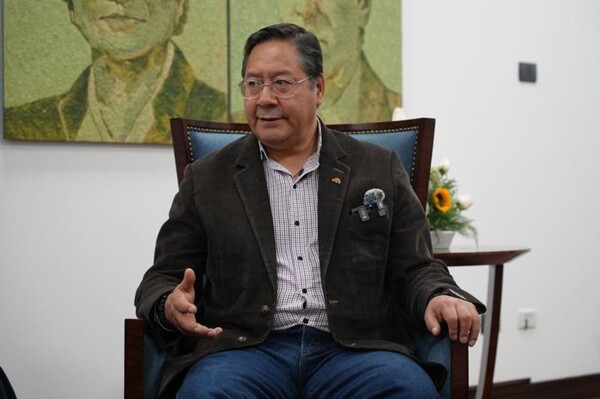
The current situation in Bolivia reflects a complex struggle between the government of President Luis Arce and internal and external forces seeking to destabilize the country. Although no coordinated armed actions are observed at present, economic pressures, legislative sabotage, media war, and institutional maneuvers have created a scenario of high vulnerability for the Bolivian constitutional order.
Since the failed coup attempt on June 26, 2024, various destabilization strategies have emerged in the country. The concept of hybrid warfare, which combines military, political, financial, technological, cyber, and media aspects, has been denounced by Bolivian authorities, who claim to be facing an intense media and digital offensive, disinformation campaigns, and political attacks aimed at undermining Arce's government.
The Bolivian government warns of possible military coup attempts, based on statements from former military personnel and opposition leaders. Recently, alleged destabilizing actions have been pointed out by far-right figures such as former President Jorge (Tuto) Quiroga, who has announced street mobilizations and actions to create chaos in the country.
The opposition, mainly represented by figures promoting neoliberal policies, is attempting to erode the legitimacy of the current government and promote a supposed 'democratic transition' before the elections in August. Meanwhile, various media outlets aligned with the opposition and social networks disseminate alarming and hateful messages, contributing to social and political uncertainty in Bolivia.
Despite the tensions and threats, the Bolivian government remains firm in its position and has taken measures to ensure the celebration of the general elections in August, facing accusations of alleged fraud and institutional wear. In this volatile scenario, the stability of the Plurinational State of Bolivia remains a matter of concern both nationally and internationally.