A Bolivian plastic artist, William Luna, has created a unique proposal for the Day of the Dead. Starting with a clay sculpture, he works with tools to shape the figure, all while looking at the photo of the deceased person on his phone. The idea behind his work is that the dead return for a day to share with the living, and this includes the traditional tantawawa.
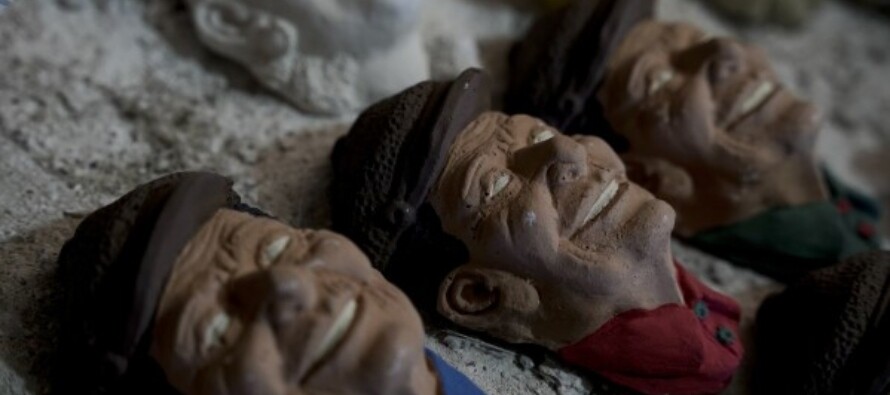
Luna replicates the figure in a rubber mold and then creates a mask with plaster that he places on the traditional bread of the dead. This bread usually has the shape of a human body and a mask, often representing generic or known figures. However, Luna adds a touch of realism by precisely carving the faces of deceased relatives into the pieces he makes. His goal is for these "tantawawas" to resemble the deceased as closely as possible.
The process of creating these figures takes about a week, and Luna can only create one at a time. Once ready, the tantawawas are shared with the community along with other foods and drinks, in preparation for the return of deceased loved ones. Luna emphasizes the importance of the renewal of life that this gesture symbolizes, merging ancient traditions of the Bolivian indigenous people with the agricultural cycle and the belief in an afterlife.
In addition to personalized tantawawas, Luna sells more traditional masks representing men, women, children, babies, and even pets. His clients often request masks that faithfully capture the peculiarities of their deceased loved ones. This project arose as a tribute to Luna's mother, who passed away in 2017, and has since evolved to blend art with tradition and the memory of departed loved ones.